
The Record and the Reality, Side by Side
Sound code opinions rest on two things: a careful review of the records and a documented inspection of the actual conditions. The documents show what was supposed to be built and approved; the field shows what exists. Cases are won and lost in the gap between the two.
Paul Gaston reviews permits, approved drawings, specifications, and inspection records, then inspects and documents the as-built conditions, so attorneys and insurers have a reliable evidentiary foundation in Chicago and Cook County matters, for plaintiff and defense.
What Makes an Inspection Hold Up
A defensible inspection and document review is built for scrutiny. It typically includes:
- Location-keyed photographs of each condition
- Measurements of the conditions at issue
- Field notes tied to records and code provisions
- Reconciliation of as-built work with approved drawings
- Identification of missing sign-offs or undocumented changes
- Coordination of access and timing with counsel
- Preservation of evidence for report and testimony
An inspection is only as useful as its documentation. If another expert cannot follow it and reach the same observation, it will not hold up.
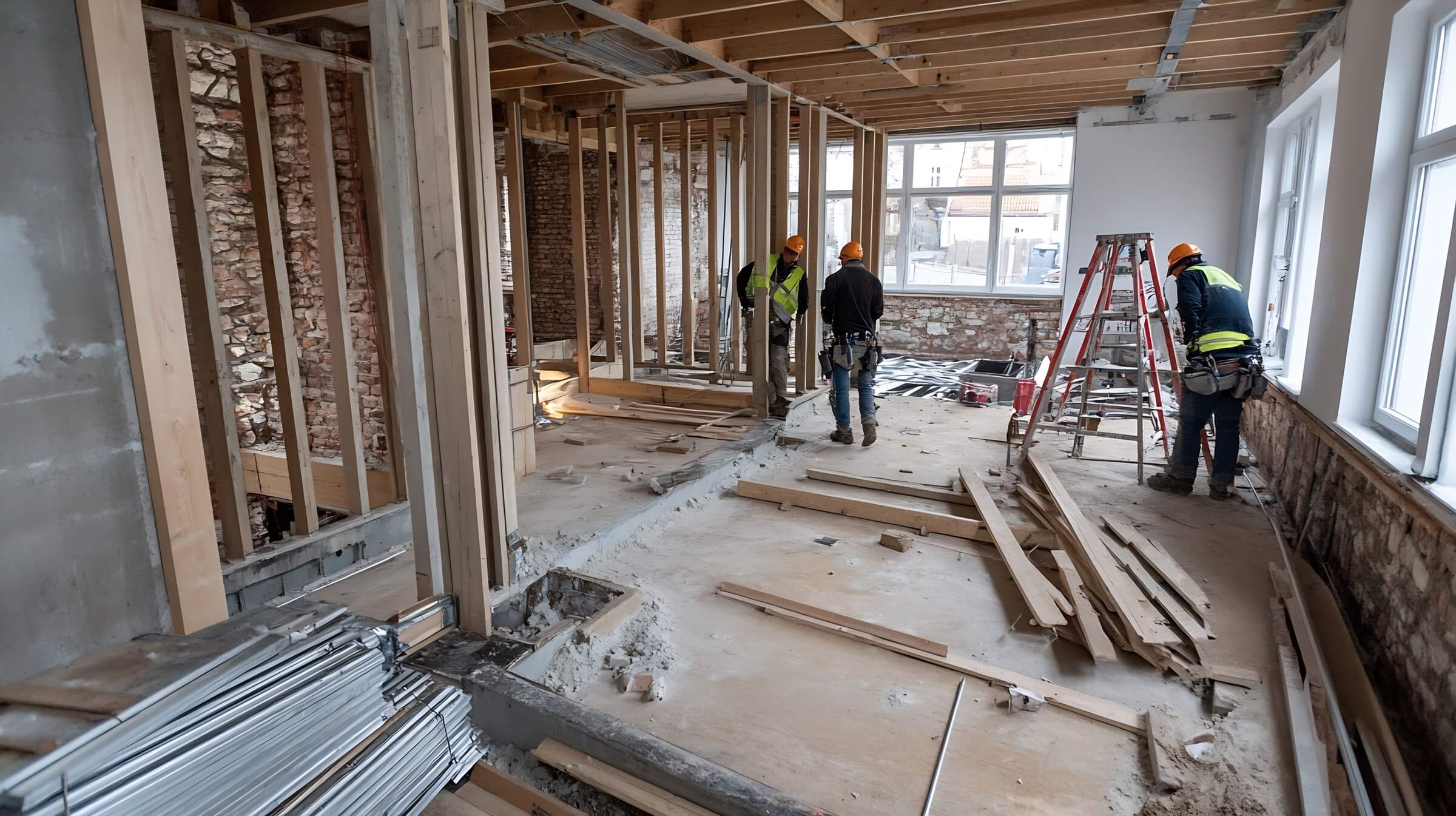
Why Document Review Matters as Much as the Site Visit
The document set frames the inspection. Permits and approved drawings establish what was authorized, inspection records show what was verified, and change orders and correspondence reveal what shifted along the way. Reading them first tells the expert what to look for in the field.
Reconciling the two exposes the gap that drives the dispute, a condition that departs from the approved documents, a change never inspected, or a record that was never created. Each observation is tied back to a document and a code provision.
How Paul Gaston Helps Resolve the Dispute
Paul delivers organized evidence and findings that anchor a report and hold up in deposition and trial, for plaintiff and defense. His work reconciles as-built conditions with the approved documents and preserves photographs, measurements, and notes in a usable form.
For counsel, that means a factual record they can build a case or a defense on, coordinated around the case calendar.
Frequently Asked Questions
What makes a site inspection defensible in court?
Documentation that another qualified person can follow: location-keyed photographs, measurements, and notes tied to the records and code provisions. When the observations are transparent and reproducible, they support the report and withstand cross-examination.
Why is document review as important as the site visit?
The documents establish what was authorized and verified, which tells the expert what to look for and what the field conditions should be compared against. Without the records, a field observation lacks the context that turns it into evidence.
What records most often make or break a building-code claim?
Permits and approved drawings, inspection and sign-off records, change orders and RFIs, and correspondence are frequently pivotal. Gaps in that record, such as a missing inspection or an undocumented change, can be as significant as the physical conditions themselves.